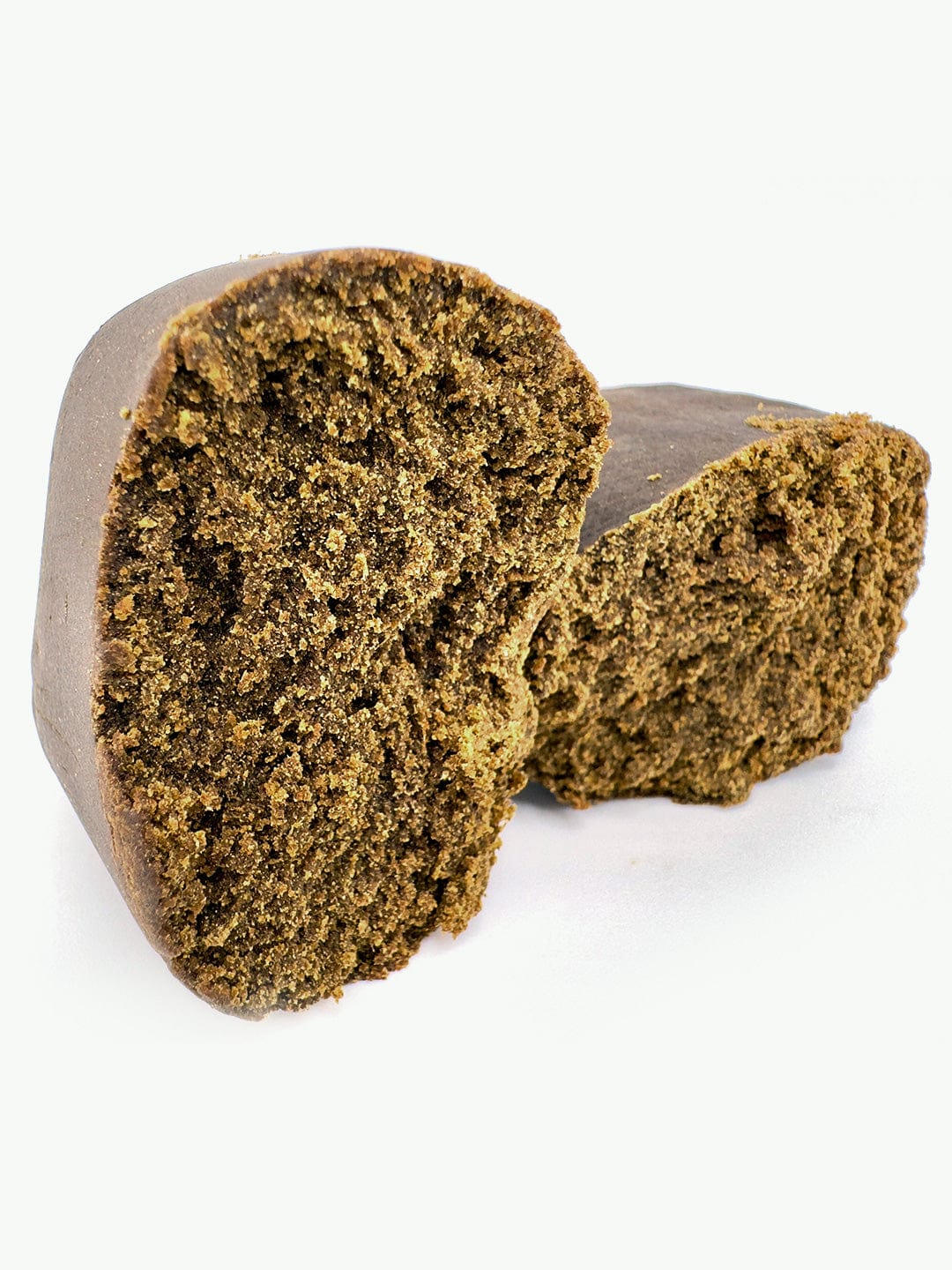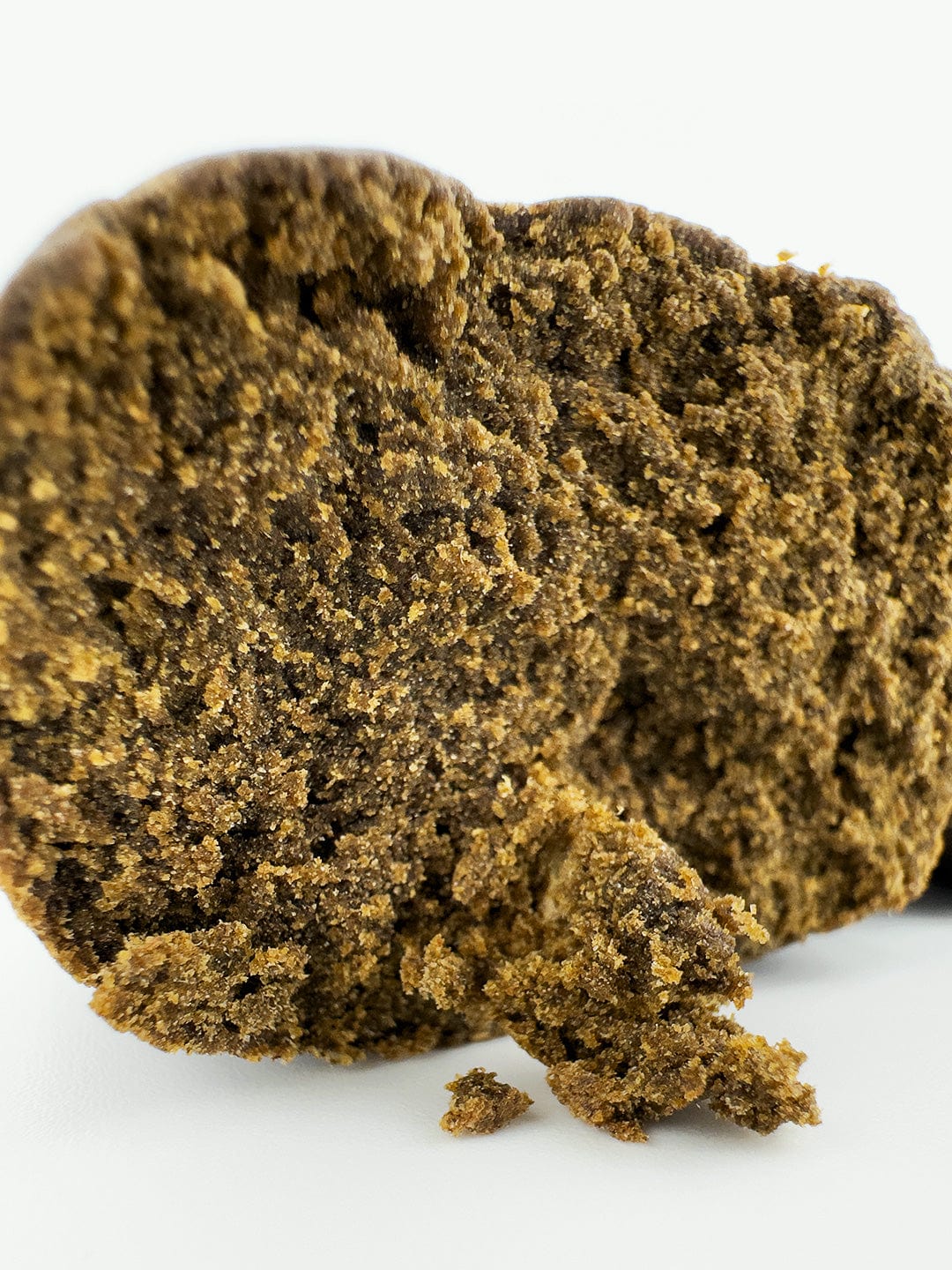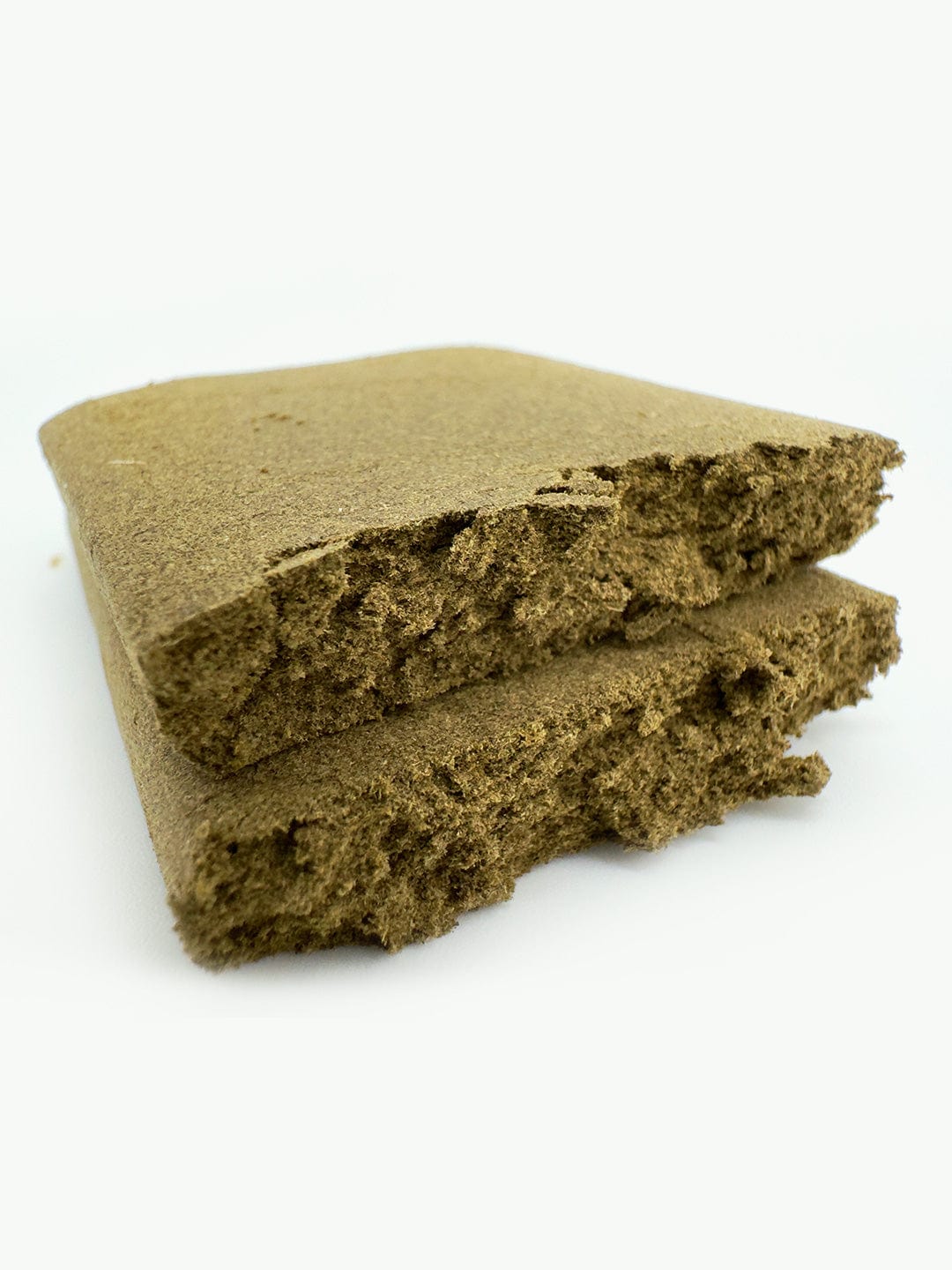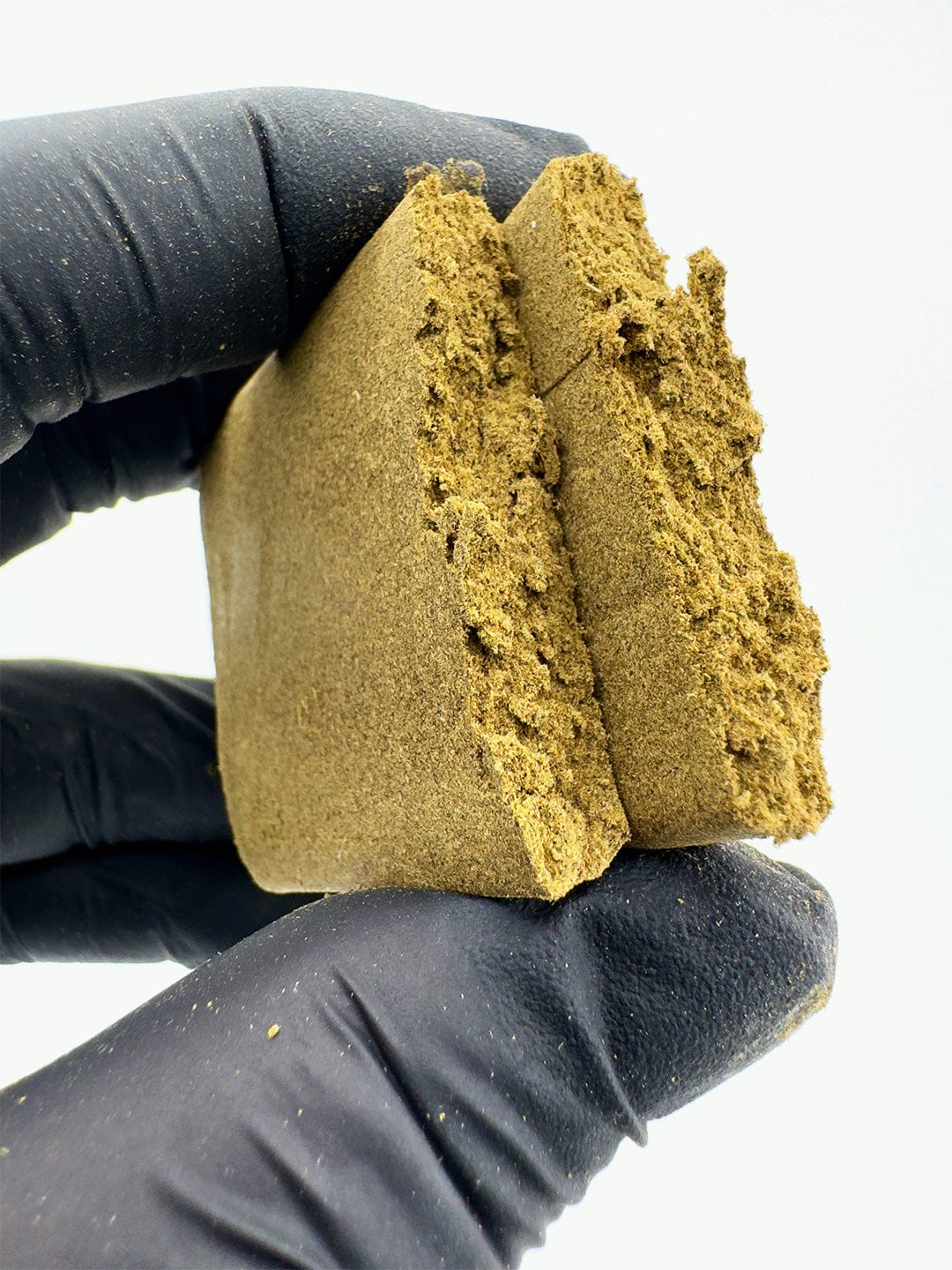
DRY SIFT HASH - 18% CBD
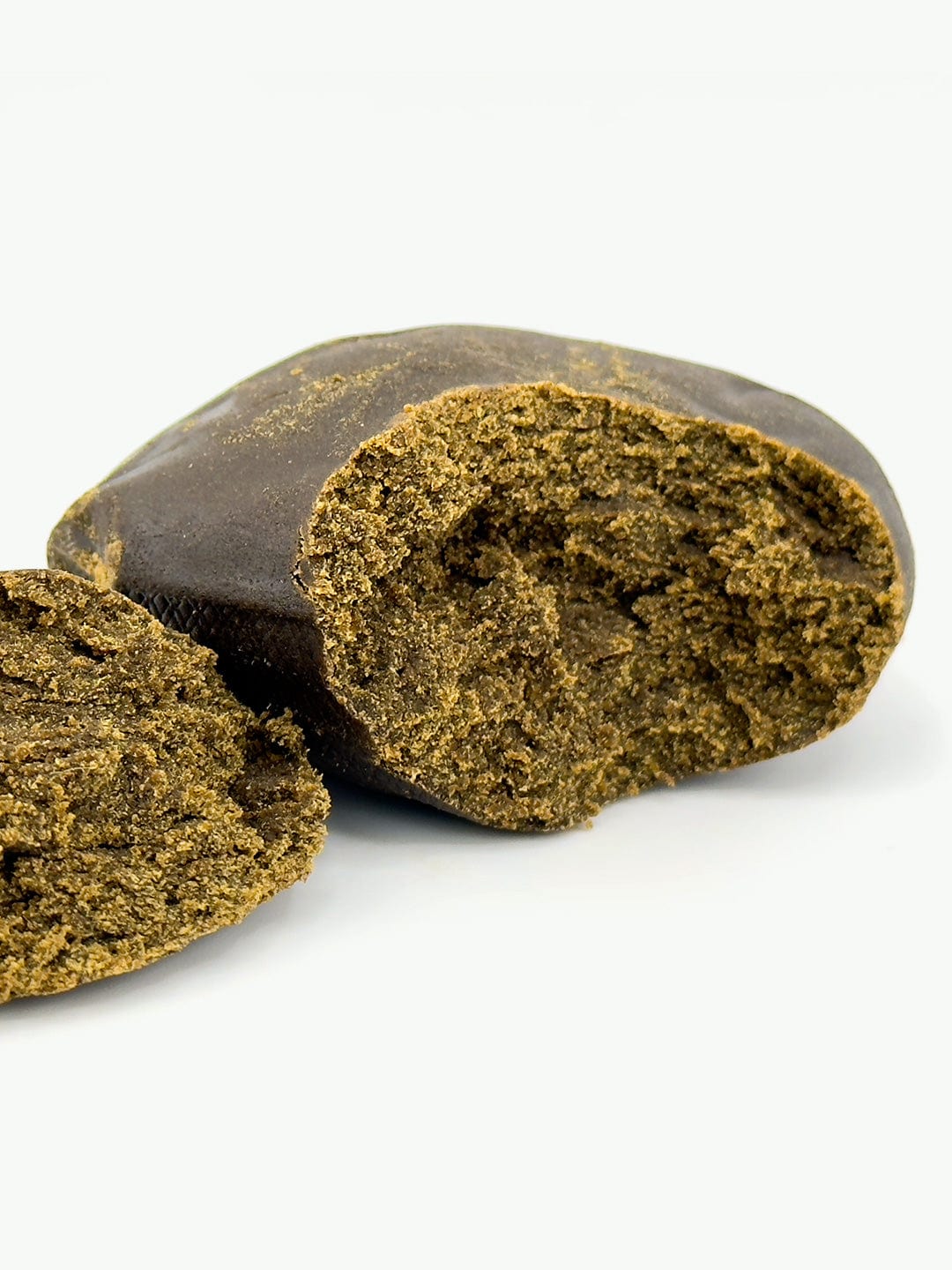
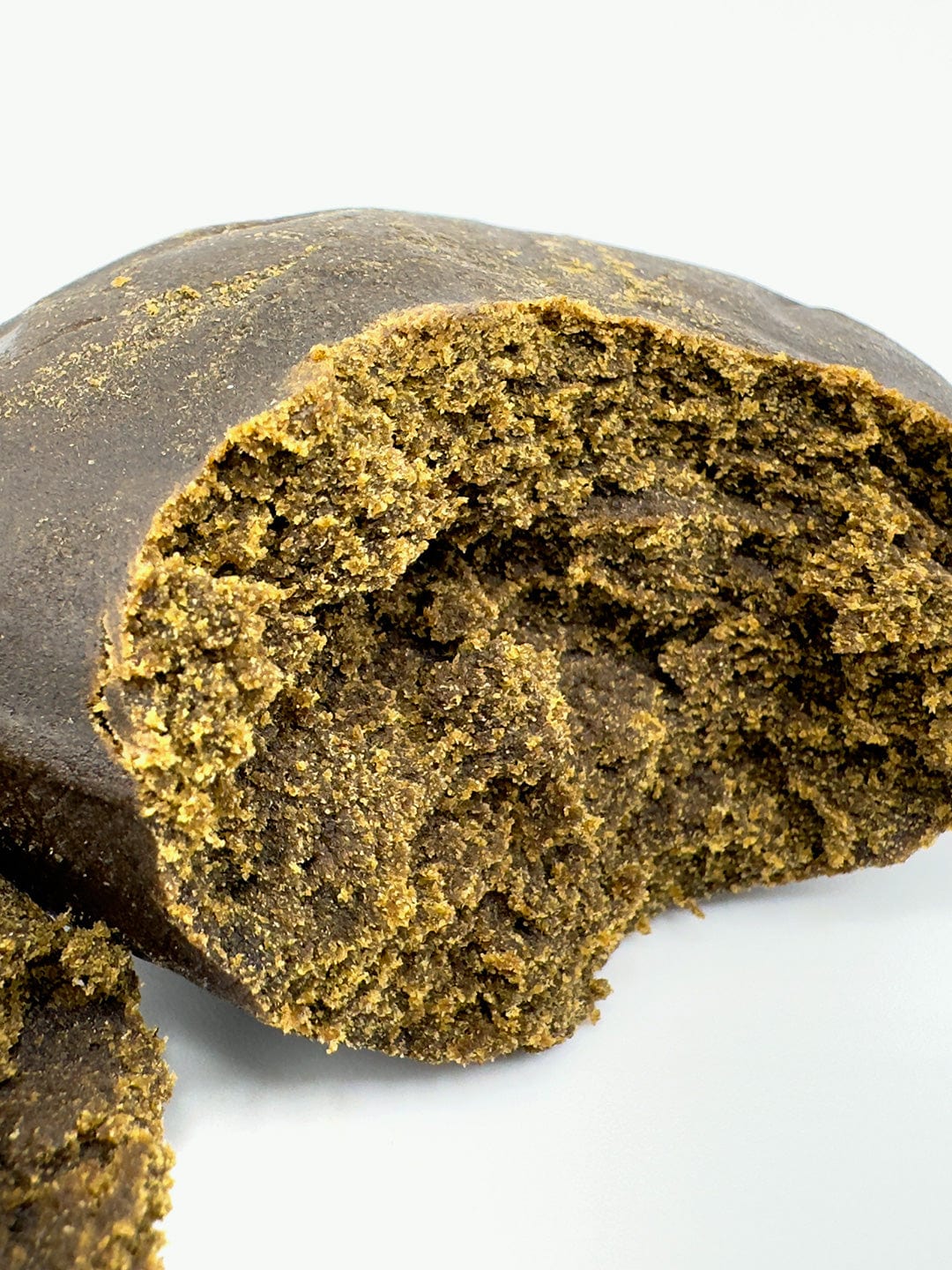
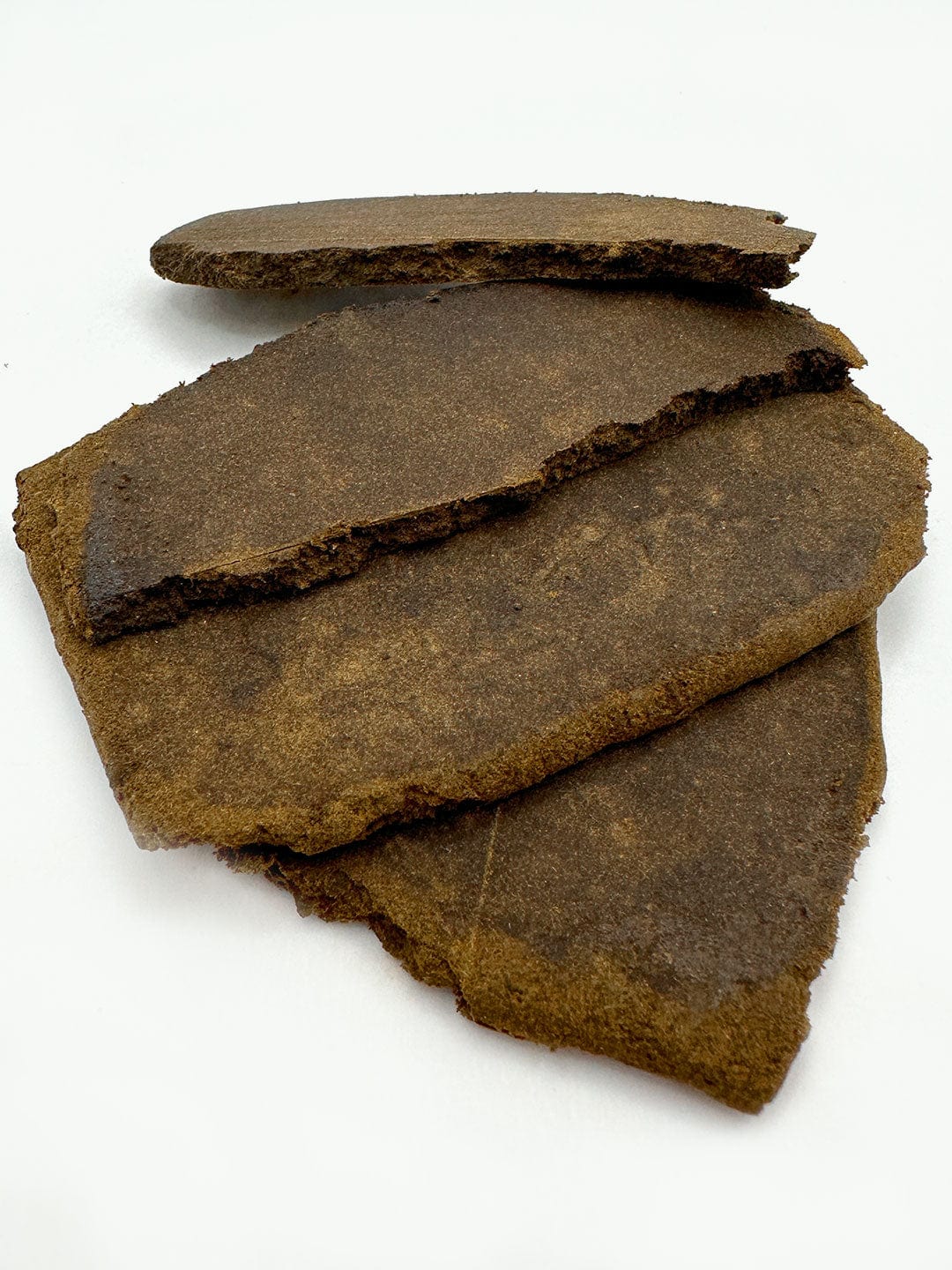
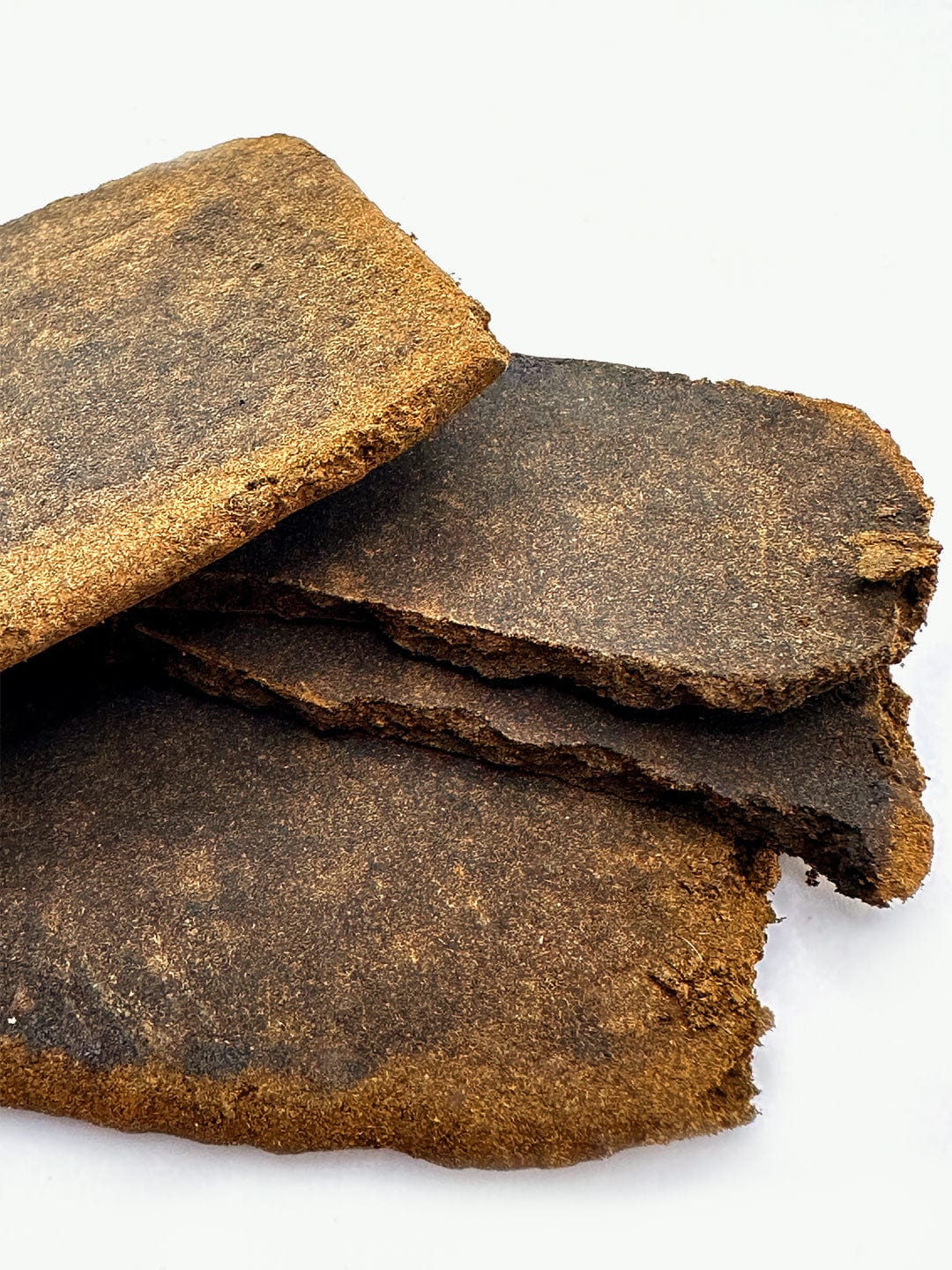
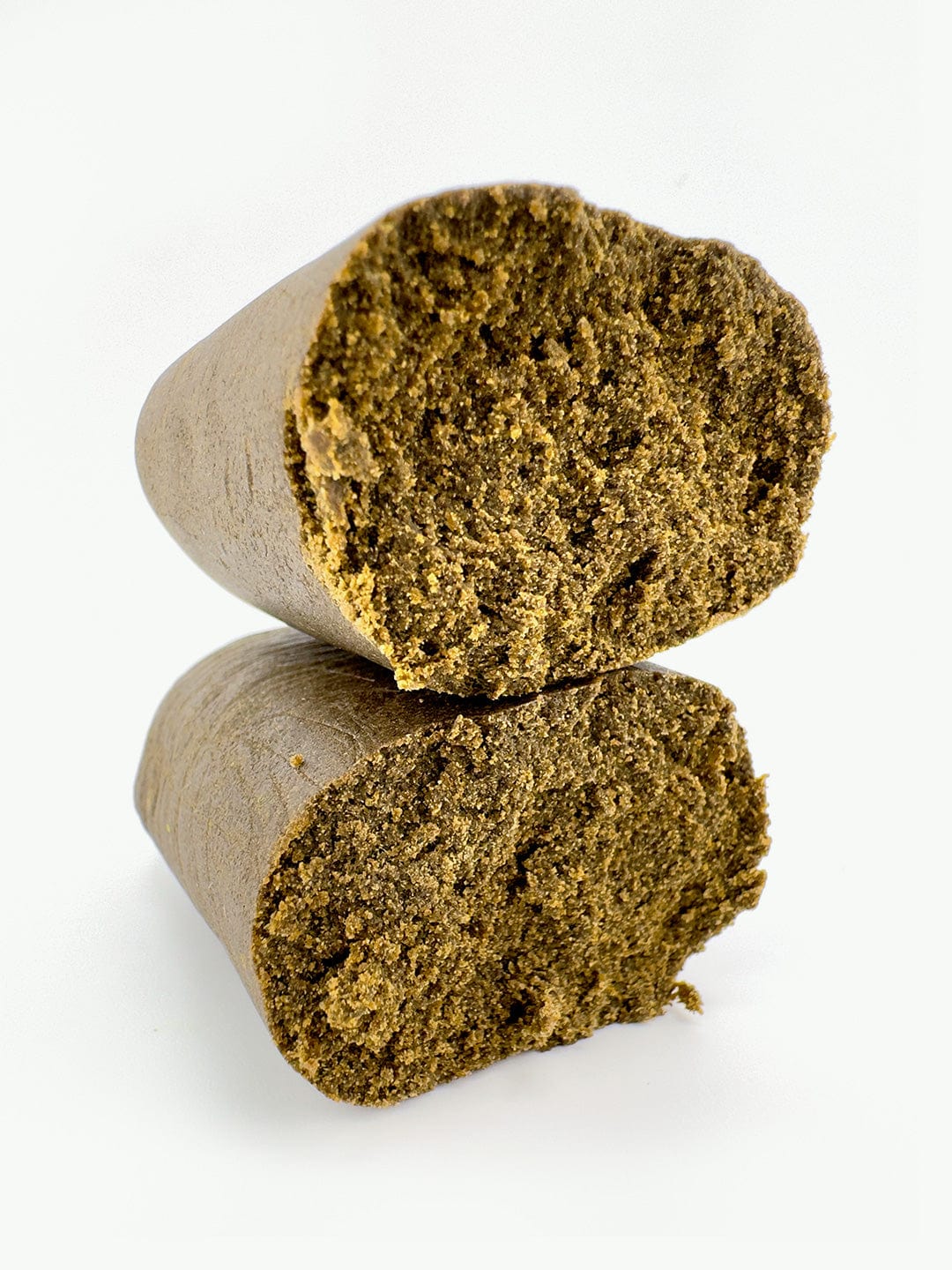
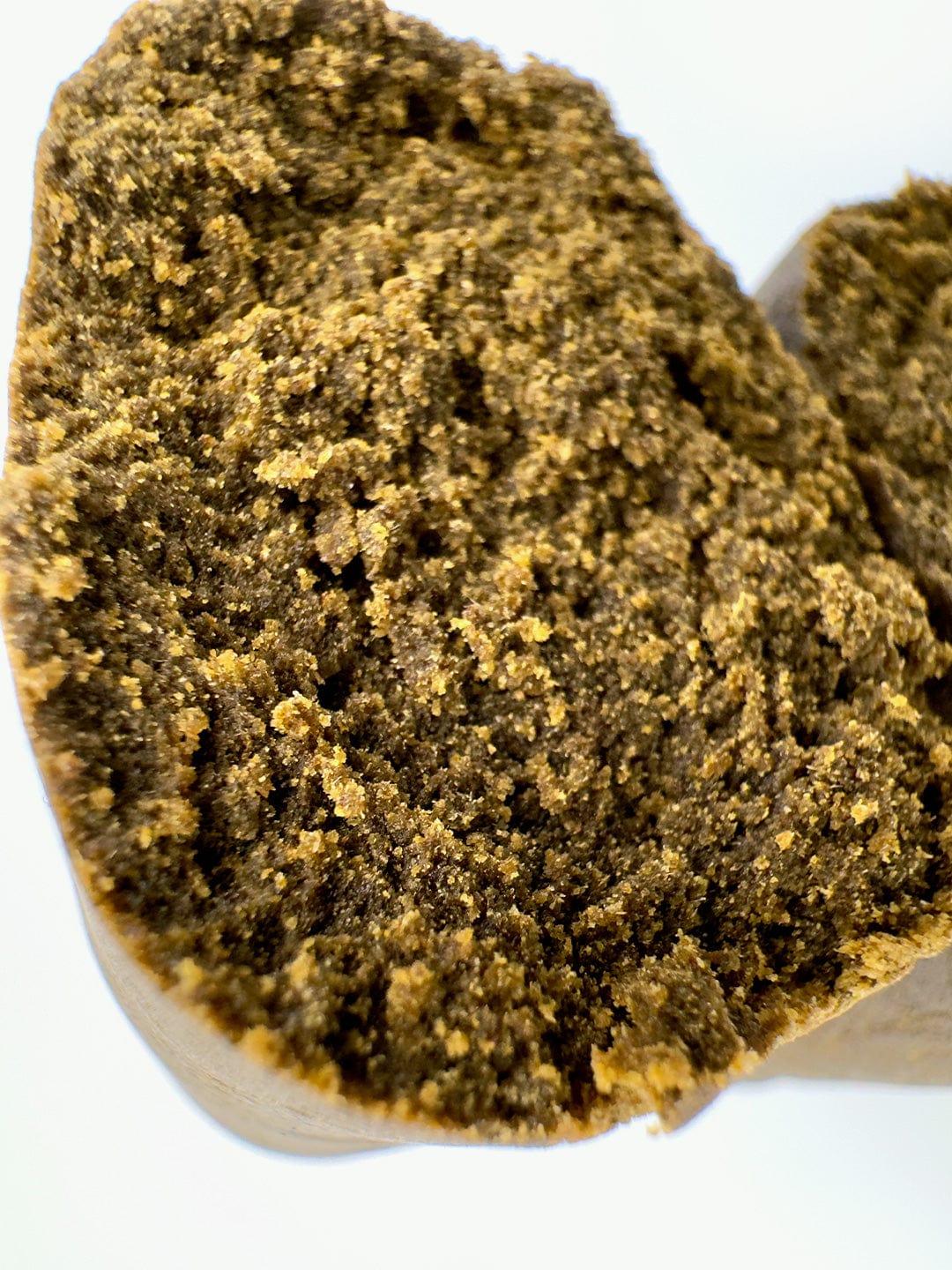
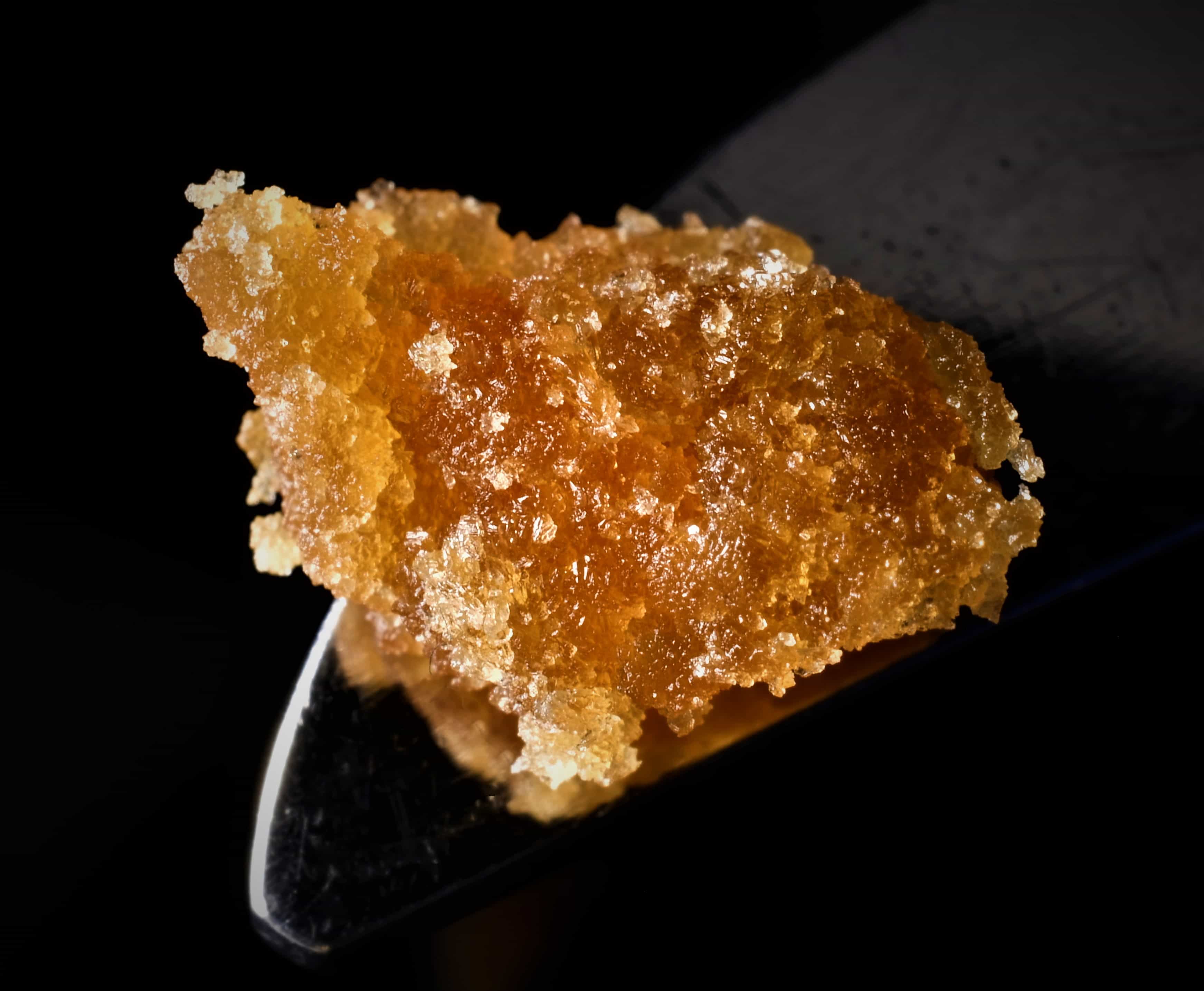
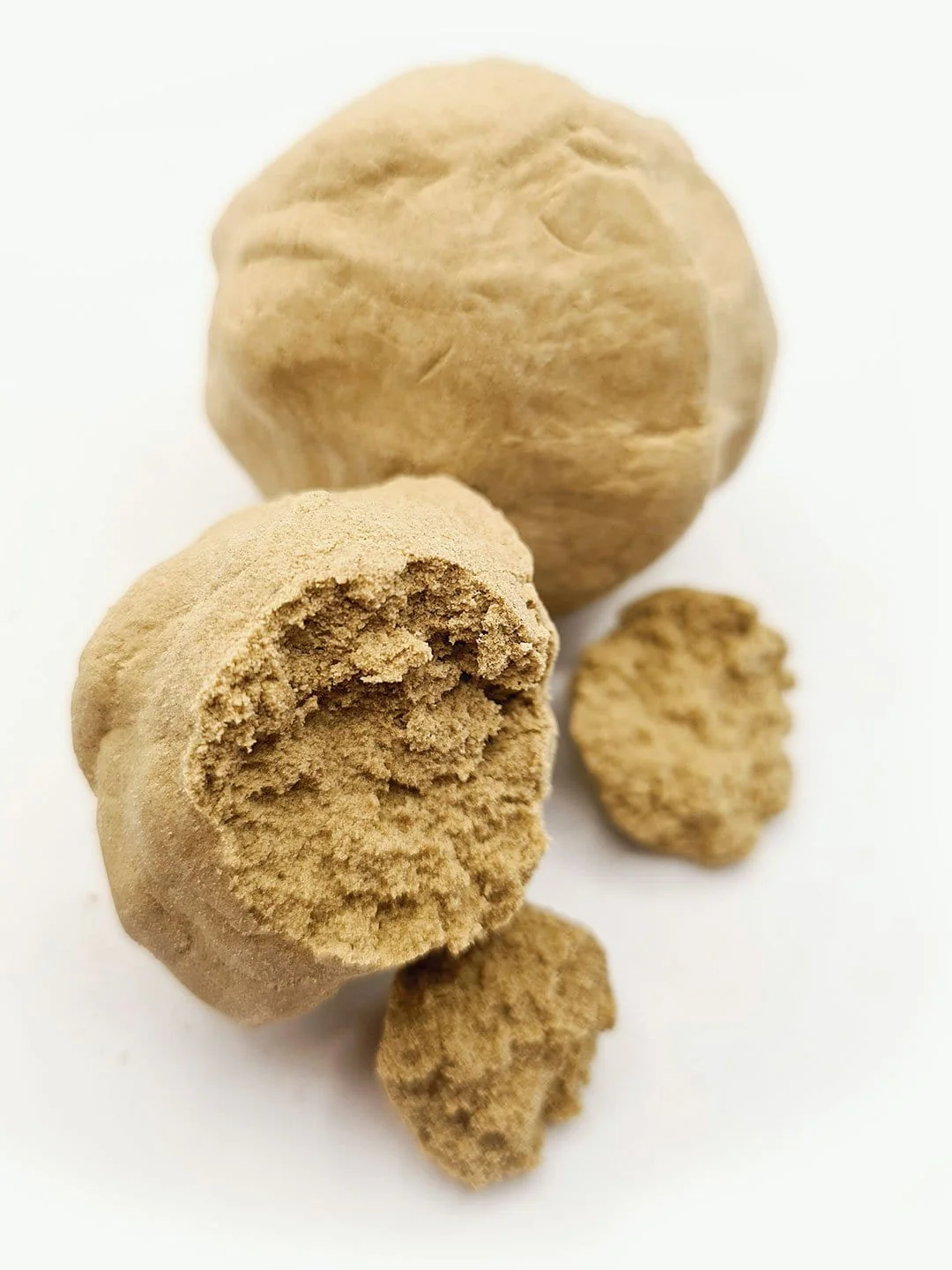
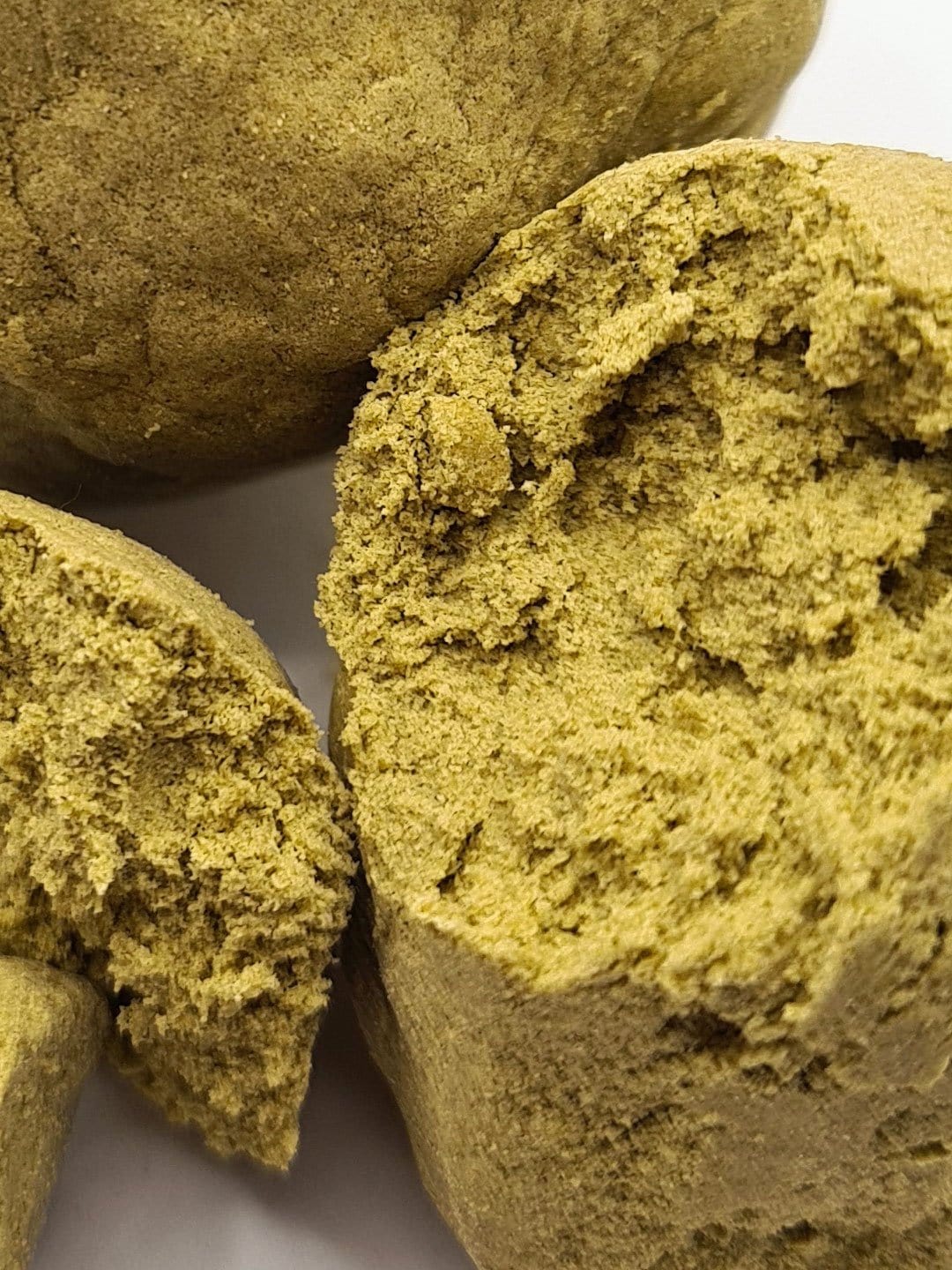
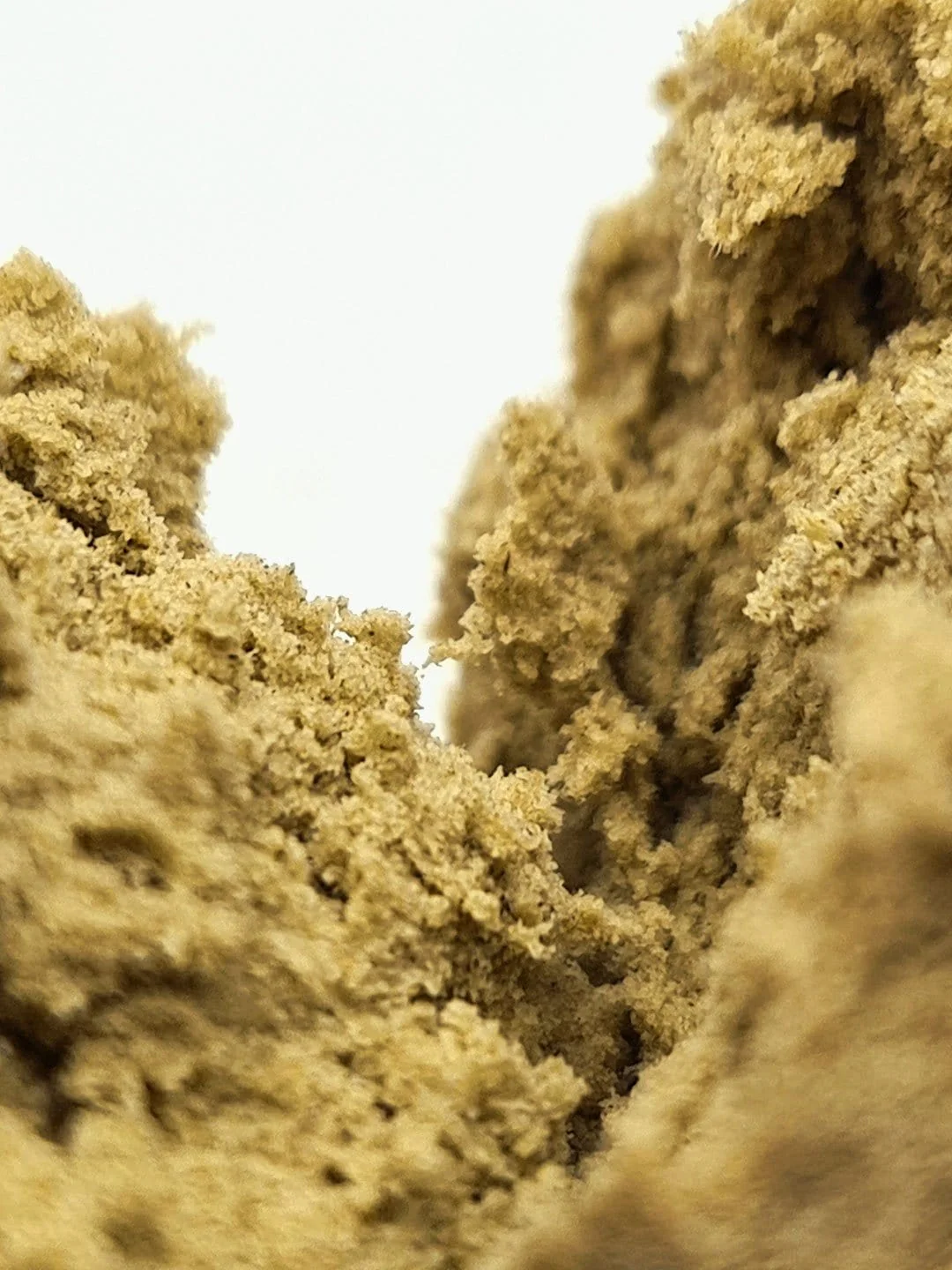
Dry Sift hash is a staple for most cannabis consumers. It is sometimes coined as the "traditional" method of hash making, with deep routes to the landrace regions of the world. Dry Sifting is essentially the process of removing trichomes from the plant using a sift. Trichomes are where cannabinoids and terpenes are found, therefore, dry sift hashes are very strong. They're also very versatile due to the ease at which a Dry Sift hash can be broken up. With more earthy tones, this is a favorite amongst old school hash fans. The process has been used for decades in countries like Morocco, Lebanon and Afghanistan.
Product Information
Product Information
Shipping & Returns
Shipping & Returns
DRY SIFT HASH - 18% CBD
DRY SIFT HASH - 18% CBD
Dry Sift hash is a staple for most cannabis consumers. It is sometimes coined as the "traditional" method of hash making, with deep routes to the landrace regions of the world. Dry Sifting is essentially the process of removing trichomes from the plant using a sift. Trichomes are where cannabinoids and terpenes are found, therefore, dry sift hashes are very strong. They're also very versatile due to the ease at which a Dry Sift hash can be broken up. With more earthy tones, this is a favorite amongst old school hash fans. The process has been used for decades in countries like Morocco, Lebanon and Afghanistan.
Original: $10.06
-70%$10.06
$3.02Product Information
Product Information
Shipping & Returns
Shipping & Returns
Description
Dry Sift hash is a staple for most cannabis consumers. It is sometimes coined as the "traditional" method of hash making, with deep routes to the landrace regions of the world. Dry Sifting is essentially the process of removing trichomes from the plant using a sift. Trichomes are where cannabinoids and terpenes are found, therefore, dry sift hashes are very strong. They're also very versatile due to the ease at which a Dry Sift hash can be broken up. With more earthy tones, this is a favorite amongst old school hash fans. The process has been used for decades in countries like Morocco, Lebanon and Afghanistan.